Call to Save the Lives of Political Prisoners in Iran

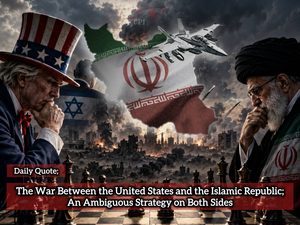
Since the beginning of the war between Israel, the United States, and the Islamic Republic on February 27, 2026, a new wave of repression and mass arrests has swept across the country. In the shadow of war and a securitized atmosphere, the government is attempting to silence every dissenting voice and, above all, has targeted political prisoners and protesters. Today, defending the lives of these prisoners is an urgent and vital duty for all of us, both inside and outside the country.
Based on information from Iran Human Rights Organization, over the past more than 50 days at least 3,646 people have been arrested in various cities. Given the widespread internet shutdowns and concealment, the real number could be significantly higher. Only after the ceasefire announcement on April 7, at least 767 more people have been arrested. Among those detained are at least 111 political, civil, labor, and student activists, members of justice-seeking families, and well-known citizens, figures many of whom have become symbols of civil resistance and saying “no” to execution and repression.
The Ministry of Intelligence, the Intelligence Organization of the Islamic Revolutionary Guard Corps, the Law Enforcement Force, and specialized police units including the Intelligence and Security Police and the Cyber Police (FATA), form the backbone of this new repression. In many cases, prosecutors’ offices and judicial authorities have also been directly involved in designing and coordinating these arrests. The official charges are nearly identical for all: “espionage,” “connection with foreign intelligence services,” “sending images and coordinates of sensitive sites,” “acting against national security,” “collaboration with foreign entities,” and heavy labels such as “enmity against God,” among others, charges that, under the laws of the Islamic Republic, can lead to death sentences.
The commander of the Law Enforcement Force, Ahmadreza Radan, stated on a television program that more than 2,700 people have been arrested. According to him, over 900 people were detained for “disturbing public opinion in cyberspace,” more than 400 for “publishing images of missile strikes and transferring information,” and more than 200 for using Starlink and technical tools to bypass internet filtering. This official admission clearly shows that the main “crime” of many of these citizens is independent information-sharing and exercising the right to freedom of expression.
Many detainees are held in prisons, secret detention centers, and unofficial facilities under the control of security institutions. Families are unaware of the whereabouts of their loved ones, their physical and psychological condition, and even the nature of the charges and legal process. Lack of contact with family and lawyers, absence of fair trial access, deprivation of medical care, and forced confessions in known televised displays have intensified serious concerns about the fate of political prisoners.
The brutal raid on March 30 on the political prisoners’ ward (Unit 4) of Ghezel Hesar Prison is a stark symbol of this policy of silent killing. Dozens of repression forces, led by Ashkan Kamali, Hassan Ghabadi, and Ghasem Sahraei, attacked the ward at midnight, violently beat the prisoners, dragged them out, and transferred them to solitary confinement. Six prisoners, all activists in the “No to Execution” campaign and sentenced to death by Judge Afshari, were executed that same night in complete secrecy, without completion of legal procedures and without a final visit with their families. This is only one example of the government’s retaliation against political prisoners. According to reports, at least 14 political prisoners were executed in April.
The “Tuesdays Against Execution” campaign and other civil initiatives inside the country have stood against this killing machine with remarkable courage. They call on all human rights organizations and international bodies to take immediate, serious, and effective action to save the lives of those sentenced to death.
Outside the country, protest actions can and must play a decisive role. Organizing regular gatherings in front of embassies and international institutions, broad media campaigns, launching petitions and global campaigns, documenting arrests and torture, and close cooperation with human rights organizations are all tools that can raise the political cost of executions and torture for the Islamic Republic. A clear demand for international fact-finding missions to enter prisons, bringing cases before international bodies, and gaining support from labor unions, academics, and civil organizations worldwide must become the focus of actions abroad.
Inside the country as well, despite heavy repression, it is still possible “and necessary” to raise voices. Our call to freedom-loving people across Iran is to act in any possible way against death sentences and for the release of political prisoners. Publishing statements and protest petitions, gathering in front of government institutions, attending memorials for victims, assembling at the homes of those sentenced to death, and chanting against executions and for the freedom of political prisoners can all be among these actions. These forms of resistance have been experienced many times, and today, under conditions of escalating executions, it is essential to expand and connect them. Strengthening unity and organization in neighborhoods, universities, and workplaces, and reinforcing solidarity with prisoners’ families are strongholds that the government fears.
Now we must be the voice of political prisoners who have been silenced behind prison walls. Every gathering, every statement, every action, and every global campaign can help save an innocent human life. Death sentences must be stopped immediately, and all political prisoners must be released unconditionally. Our solidarity, inside and outside the country, can and must become a force that imposes this demand on those in power.