People Trapped Beneath the Weight of War, Repression, and Poverty
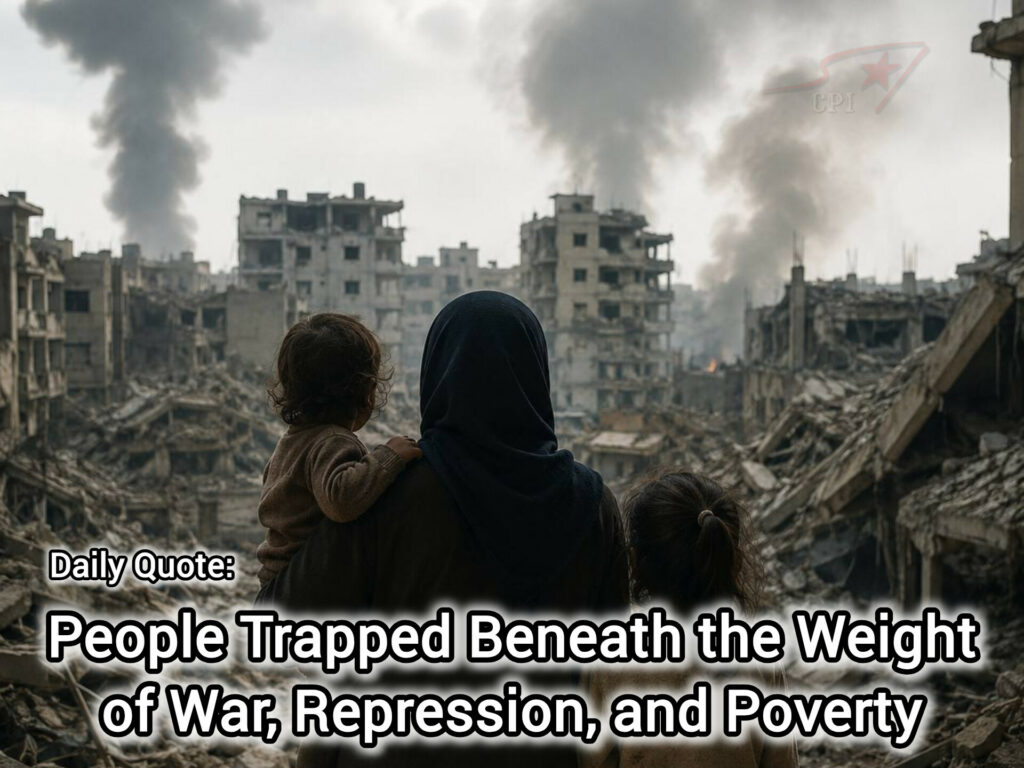
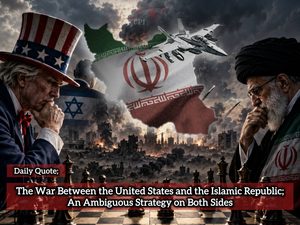
No matter how it is described, the devastating war between the United States and the Islamic Republic has meant nothing for the people of Iran except death, displacement, poverty, and the destruction of their future. Citizens who played no role in starting this war are now paying the price of U.S. military policies and the Islamic Republic’s adventurism and repression with their lives and livelihoods. The poorest segments of society have suffered the most, as they have neither the means to leave dangerous areas nor the savings necessary to survive under such conditions.
According to published reports, the destruction is most visible in southern Iran. Local officials have stated that in parts of Hormozgan Province, residents have been left without electricity and running water for hours at a time. Under such circumstances, families face not only thirst and extreme heat but also food spoilage, difficulties storing medicine, communication disruptions, and the inability to carry out the most basic tasks of daily life. Reports from Bandar Khamir also indicate that a railway station and several bridges were struck, resulting in the deaths of a number of local residents. Every person killed in these attacks represents a part of the country’s future that has been destroyed.
Yet the suffering of the Iranian people is not caused by bombs and missiles alone. Millions of Iranians feel trapped between three destructive forces: the United States’ military attacks, the Islamic Republic’s repressive and crisis-producing policies, and a collapsed economy that has stripped people of the ability to rebuild their lives. This war has unfolded in a country already burdened by inflation, currency depreciation, unemployment, corruption, inequality, and widespread poverty. As a result, every military strike quickly translates into soaring prices, shortages of essential goods, job losses, and growing public anxiety. Today, many Iranians see themselves caught between three interconnected crises: U.S. military attacks, the Islamic Republic’s militaristic and repressive policies, and a deep economic collapse that has undermined their ability to recover. These three forces reinforce one another. War fuels inflation and shortages; the government intensifies repression under the pretext of national security; and poverty erodes families’ capacity to endure.
In a telephone interview with The New York Times, a business owner in Isfahan summarized the public mood: “People feel trapped in a hell where none of the parties to the war is doing anything to save them. For governments, war is a matter of power calculations; for ordinary people, it means empty dinner tables, destroyed homes, and a future that slips further away every day.”
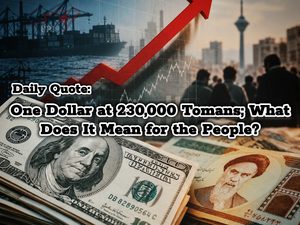
Rising prices are no longer merely reducing living standards, they are directly threatening people’s health. Some citizens report postponing medical treatment and delaying the purchase of medication, choosing instead to buy inexpensive vitamin supplements in place of fresh fruit and vegetables. Such choices are evidence that poverty has reached a dangerous level. A family forced to choose between medicine, food, and rent has effectively been deprived of its most basic human rights.
The war has also driven many small businesses into closure. It has disrupted transportation and caused the cost of raw materials to soar. Day laborers, women heading households, retirees, and marginalized communities have become the first victims of this process. Even if the attacks were to cease in the near future, rebuilding infrastructure, restoring employment, and recovering lost purchasing power would take years.
The Islamic Republic has sought to use the external attacks as a means of strengthening internal cohesion and suppressing domestic dissent. At the same time that poverty and insecurity continue to deepen, the executions of individuals arrested during the January 2026 protests, politically motivated arrests, and the confiscation of opponents’ property have continued without interruption.
Although the end of the war remains uncertain, there is still the possibility of a reduction in tensions. Under mounting military and economic pressure, the Islamic Republic may ultimately be compelled to make concessions in foreign policy to preserve its survival. Likewise, the United States and Israel may conclude that expectations of rapid regime change or a fundamental transformation of the government through military pressure are not only unrealistic but also risk creating even greater regional instability while harming the global economy and their own strategic interests. From this perspective, limited agreements, a reduction in hostilities, and renewed negotiations remain possible. However, such an agreement would not necessarily mean relief for the people. Governments may reach an understanding over the survival of the Iranian state, regional security, and economic interests without addressing the release of political prisoners, the suspension of executions, compensation for victims, or improvements in the public’s living conditions.
A genuine end to the war requires an immediate ceasefire, an end to attacks on civilian infrastructure, unrestricted public access to water, food, medicine, and healthcare, and the establishment of an independent mechanism to document damage and support victims. Public resources should be redirected away from military programs and repressive institutions and instead devoted to rebuilding damaged communities and meeting people’s essential needs. The people of Iran are neither the Islamic Republic’s human shield nor the inevitable victims of the geopolitical calculations of foreign powers. They have the right to live free from bombardment, repression, poverty, and fear.